At We For World Foundation
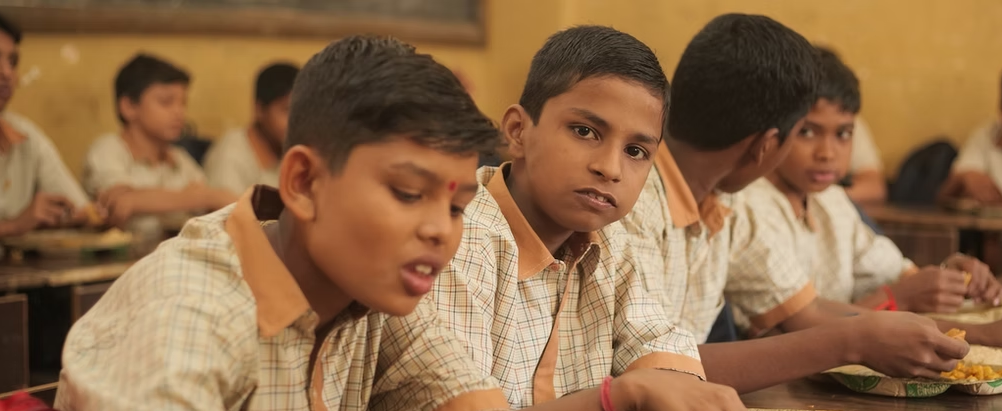
Education is often hailed as the great equalizer—a key that unlocks doors to opportunity, personal development, and economic stability. At We For World Foundation, we firmly believe that access to quality education is one of the most powerful tools in breaking the cycle of poverty and empowering communities worldwide. In this blog, we will explore why education is so crucial, the challenges faced by underserved communities, and how our initiatives are making a tangible difference.
Why Education Matters
Education is not just about acquiring knowledge; it’s about creating opportunities. Here’s why it’s crucial in breaking the cycle of poverty:
-
Economic Opportunities: Quality education equips individuals with skills and knowledge, enhancing their employability and earning potential. Educated individuals are more likely to secure better-paying jobs, start businesses, and contribute economically to their communities.
-
Health Benefits: Education often leads to improved health outcomes. Educated individuals are more likely to make informed health decisions, access healthcare services, and adopt healthier lifestyles, which in turn contributes to overall community well-being.
-
Empowerment and Equality: Education empowers individuals, particularly women and marginalized groups, by providing them with the tools to advocate for their rights, participate in decision-making processes, and drive social change.
-
Long-Term Impact: Investing in education has a multiplier effect. Educated parents are more likely to value and support their children’s education, creating a cycle of opportunity that benefits future generations.
Challenges Faced by Underserved Communities
Despite its transformative potential, access to quality education remains a significant challenge in many underserved communities. Some of the key obstacles include:
-
Lack of Resources: Many schools in impoverished areas lack basic resources such as textbooks, trained teachers, and adequate infrastructure. This deficit significantly hampers the quality of education.
-
Economic Barriers: In many regions, families struggle to afford school fees, uniforms, and supplies. Economic constraints often force children to leave school early to work and support their families.
-
Geographical Barriers: In remote or rural areas, children may have to travel long distances to reach the nearest school, which can be both time-consuming and dangerous.
-
Cultural and Social Barriers: In some communities, cultural norms and gender biases prevent children, particularly girls, from attending school. Social barriers can also include discrimination and lack of support for children with disabilities.
How We For World Foundation is Making a Difference
At We For World Foundation, we are committed to overcoming these challenges and ensuring that every child has access to quality education. Here’s how we’re making an impact:
-
Building and Renovating Schools: We invest in building new schools and renovating existing ones to provide safe and conducive learning environments. Our projects include supplying classrooms, libraries, and other essential facilities.
-
Providing Scholarships and Financial Aid: To alleviate economic barriers, we offer scholarships and financial assistance to cover school fees, uniforms, and supplies. This support ensures that children from low-income families can continue their education.
-
Training Teachers and Providing Resources: We conduct teacher training programs to enhance the quality of education and provide schools with essential resources such as textbooks, learning materials, and technology.
-
Expanding Access: We work to overcome geographical barriers by establishing schools in remote areas and providing transportation solutions for students. Our mobile education units bring learning opportunities directly to underserved communities.
-
Advocating for Gender Equality: We champion gender equality by promoting the education of girls and supporting programs that address cultural and social barriers. Our initiatives include community outreach and awareness campaigns to change attitudes and practices.
Success Stories: Real Lives Transformed
Meet Amina: Amina, a young mother in a rural village in Kenya, had limited access to healthcare. Through our mobile health clinic program, she received prenatal care and delivery support. Today, Amina and her healthy baby are thriving, thanks to timely and accessible medical care.
Meet Raj: Raj, a farmer in India, struggled with untreated chronic conditions due to financial constraints. Our health camp provided him with free medical treatment and medications. Raj’s improved health has allowed him to return to work and support his family more effectively.
These stories are just a glimpse of the impact we’re making. Every initiative, every partnership, and every outreach effort contributes to a healthier world.
How You Can Get Involved
1. Donate: Your contributions directly support our projects. Every dollar helps us reach more people and create lasting change.
2. Volunteer: We offer a range of volunteer opportunities, both on the ground and virtually. Your time and skills can make a huge difference.
3. Fundraise: Start your own fundraiser to support our cause. It’s a great way to involve your community and raise awareness for the work we do.
4. Shop for a Cause: Purchase from our “Shop for a Cause” collection. Each item you buy supports our initiatives and helps spread the word about our mission.
Together, we can break the cycle of poverty and empower communities through education. Thank you for being a part of the We For World Foundation journey.
Join us in creating a brighter future through education.